
food for a crowd
falafels and siu mai

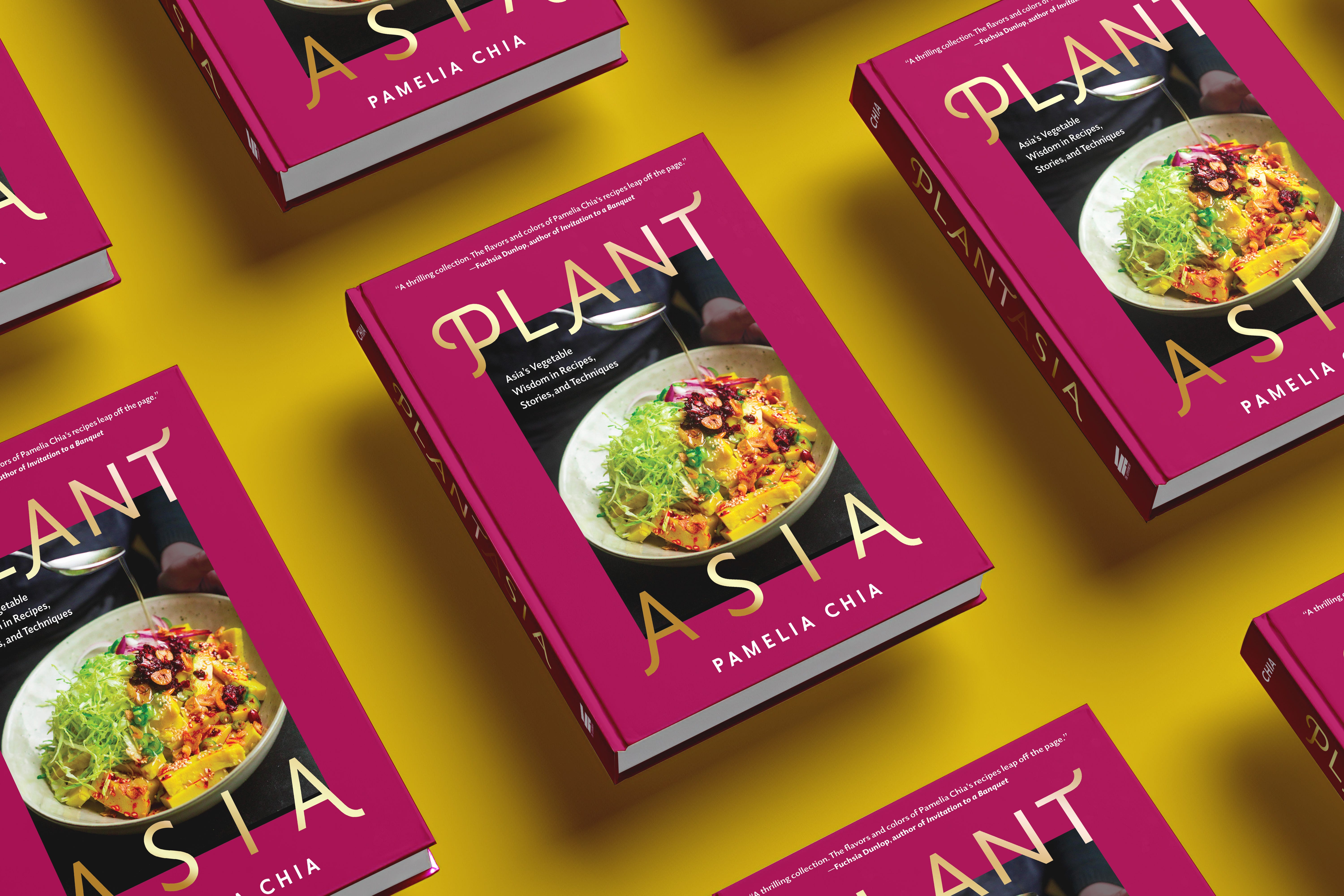
Welcome to Singapore Noodles, a newsletter where I share recipes from my kitchen in the Netherlands. Archived recipes and other content can be found on the index. If you’re looking for a Christmas gift, my cookbook PlantAsia: Asia’s Vegetable Wisdom in Recipes, Stories and Techniques is available for purchase via this link! (From now to the end of the year, I’m offering a 25% discount off with any purchase from my website.) Happy shopping! ✨ — Pamelia
A couple of weeks ago, my Palestinian classmate at the Dutch language school I go to shared her method for falafel with me. I say method rather than recipe because no quantities were specified and I had to figure them out for myself. Still, I was very grateful for the guidance as I’ve made falafels a couple of times and they were never as good as the ones I had in restaurants.
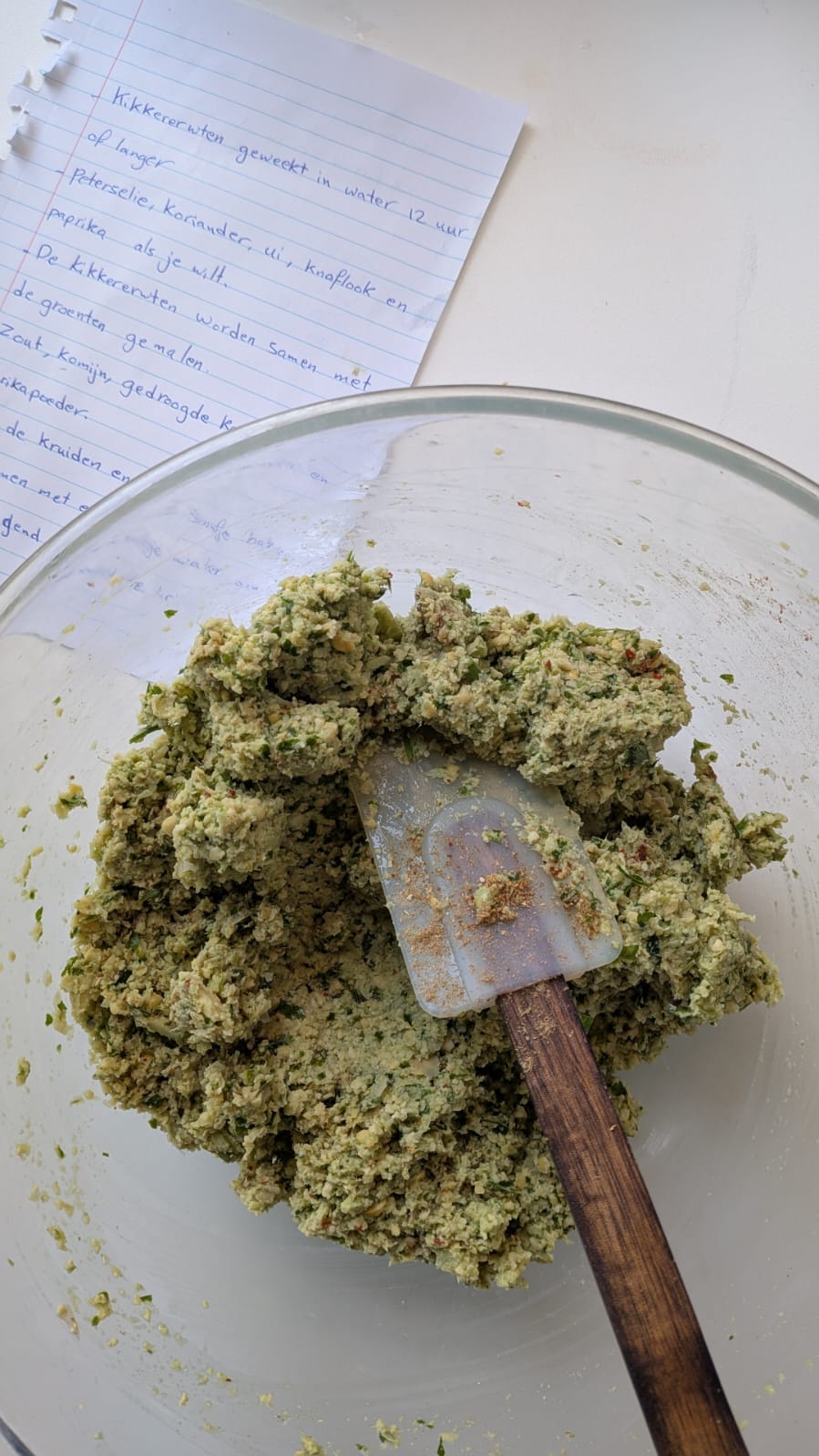
The most crucial step of making falafels lies in the grinding of the dried chickpeas, as you want to retain some texture, yet have the ground chickpeas be fine enough to cohere as little patties when gently pressed together. My classmate employs a meat grinder for the job but assured me that a blender or food processor would work just fine.
I made falafels the way she instructed, with some deviations, and the result were some of the most tender, fluffy, and flavourful falafels I’ve eaten — not just at home, but anywhere. I brought some for my Afghan colleague and she told me that she prefers it to the ones her mom makes, “Yours is so tender and fluffy on the inside, like a potato.” Wex also brought some falafels for a Christmas potluck at work, along with some homemade mango chutney, and they received the seal of approval from his Iranian colleague.
Here are some key points that I believe made all the difference:
Soak the dried chickpeas for at least 12 hours. The hardest part of making falafels is having the patience to wait for the dried chickpeas to fully hydrate. On past attempts, I soaked mine for 6–8 hours, but the resulting falafels end up being too gritty, crumbly, and fall apart in the oil. On the other hand, when the dried chickpeas are soaked for more than 12 hours, they break down cohesively, producing falafels that hold their shape and are tender and fluffy within.
Finely grind the chickpeas. It should feel as soft, loose, and grainy as cooked couscous. Be wary of grinding the chickpeas to a paste — you’re not making hummus here! Little pulses are key.
Grind the herbs and onions separately from the chickpeas. I used to combine all the ingredients together in the food processor for ease, but separating the ingredients gives you more control — you don’t have to worry about still having large chunks of onions when the dried chickpeas have been broken down to the perfect size. I grind the herbs and onions until they are finely chopped, and the moisture released in the process is perfect for binding the dried chickpeas; I don’t add more water.
Finely grate the garlic cloves, rather than blending. Garlic can be very sharp in flavour, so I prefer to disperse its flavour evenly throughout the falafel. The most effective way to do that is not blending or processing, but grating finely (I use a microplane).
Coriander powder makes all the difference. I like my falafels coriander powder-forward, and toasting and grinding coriander seeds freshly makes a huge difference. If you don’t have a powerful blender that’s suited for grinding spices, you could always use a mortar and pestle to grind the seeds before sifting the powder. Otherwise, if you’re in Singapore and are lucky enough to live close to a spice man, purchasing can be a good alternative.
A little baking powder creates a tender falafel. This is another tip I learnt from my classmate. As the falafels fry, the baking powder produces carbon dioxide, resulting in tiny air pockets. This is what produces a fluffy interior instead of a dense, compact one.


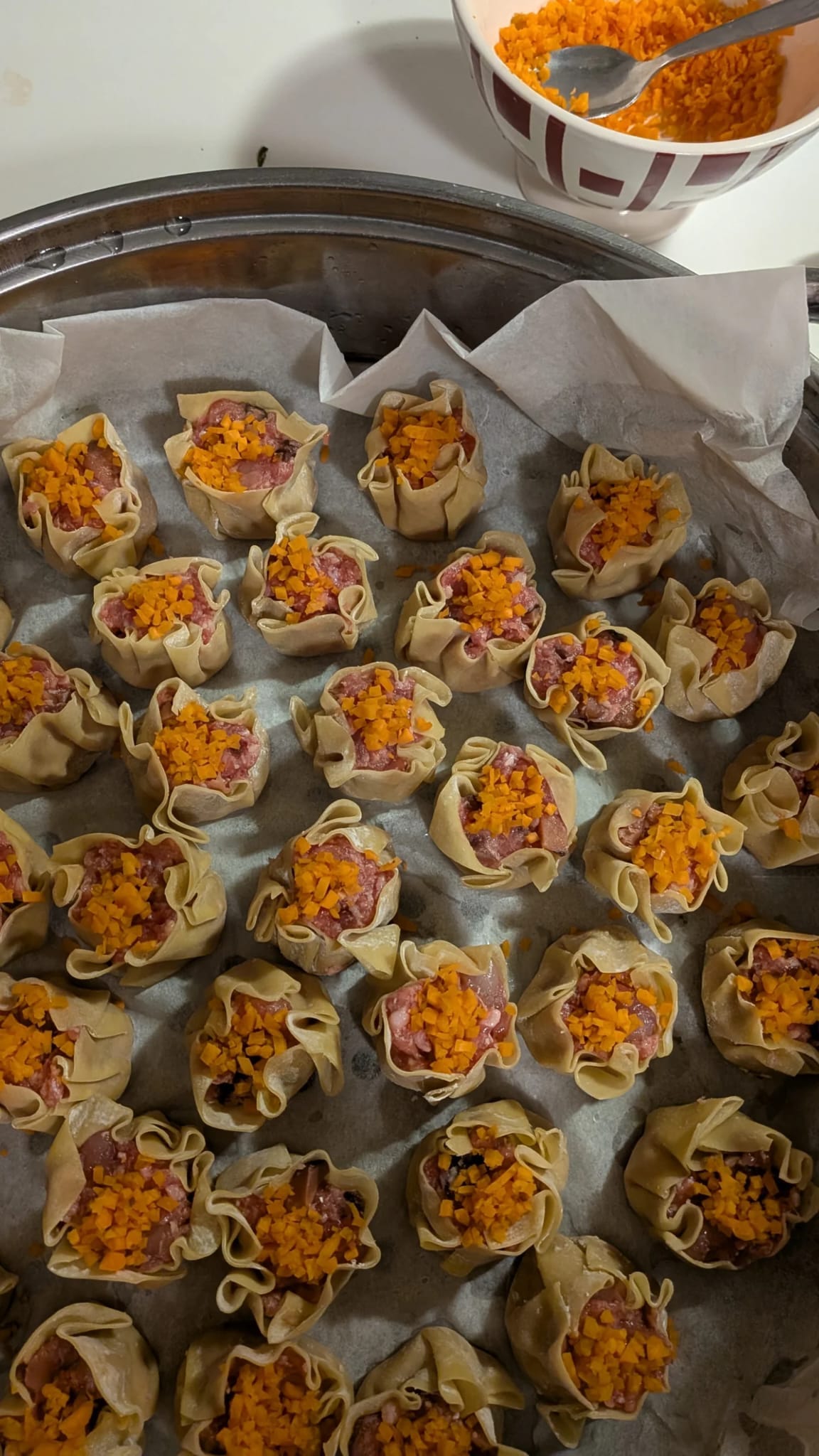
I also had a Christmas potluck at my school and, because I commute by bike, I wanted to bring something that was easy to transport. I also wanted to share a dish that reflected my culture, so I thought steamed dumplings! Siu mai 烧卖 are a classic. These are traditionally pork and prawn dumplings, known for their distinctive open-face appearance, but I made them with beef mince instead on account of my Muslim classmates. Usually a little tobiko (flying fish roe) is sprinkled over the top of each as garnish, though I used very finely chopped carrot and think it looked as beautiful. To accompany the dumplings, this peanut sauce (with a couple spoonfuls of chilli oil mixed in) was delicious!
Below you’ll find my recipes for falafels and siu mai, both great options for feeding a crowd this festive season. Falafels, in particular, are great when cooking for a group with multiple dietary restrictions / preferences, such as vegan and gluten-free. Both are great to do in advance — prepare the mixtures the night before, then fry or steam on the day of serving. While best served warm, they are also wonderful at room temperature. Enjoy!


Falafels
Makes approximately 35