
claypot rice
(without a claypot!)

Welcome to Singapore Noodles, a newsletter where I share recipes from my kitchen in the Netherlands. Archived recipes and other content can be found on the index. My cookbooks, Wet Market to Table and Plantasia, are available for purchase here and here respectively. Thank you for being here, and enjoy this week’s post! ✨ — Pamelia
CLAYPOT RICE
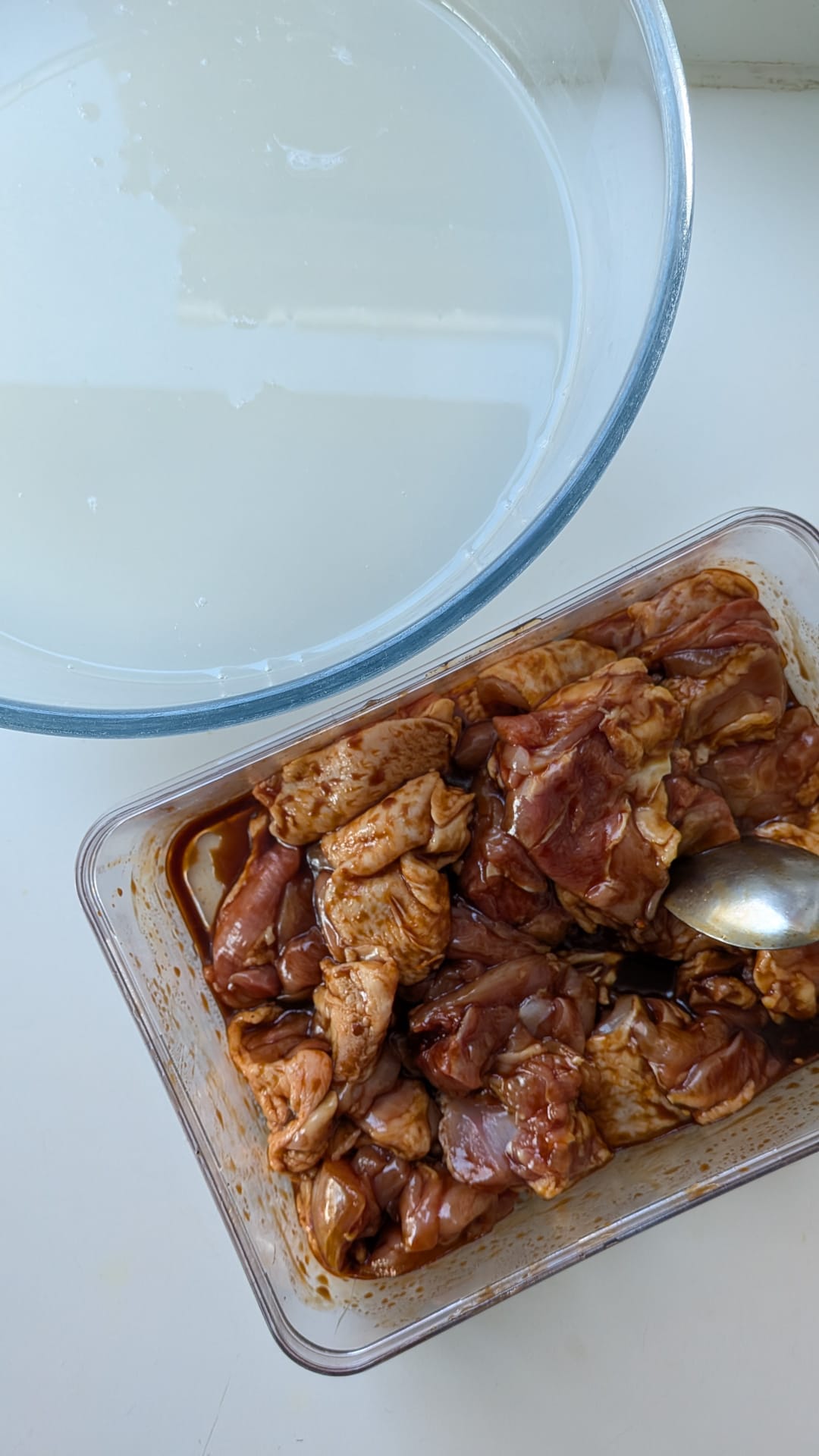
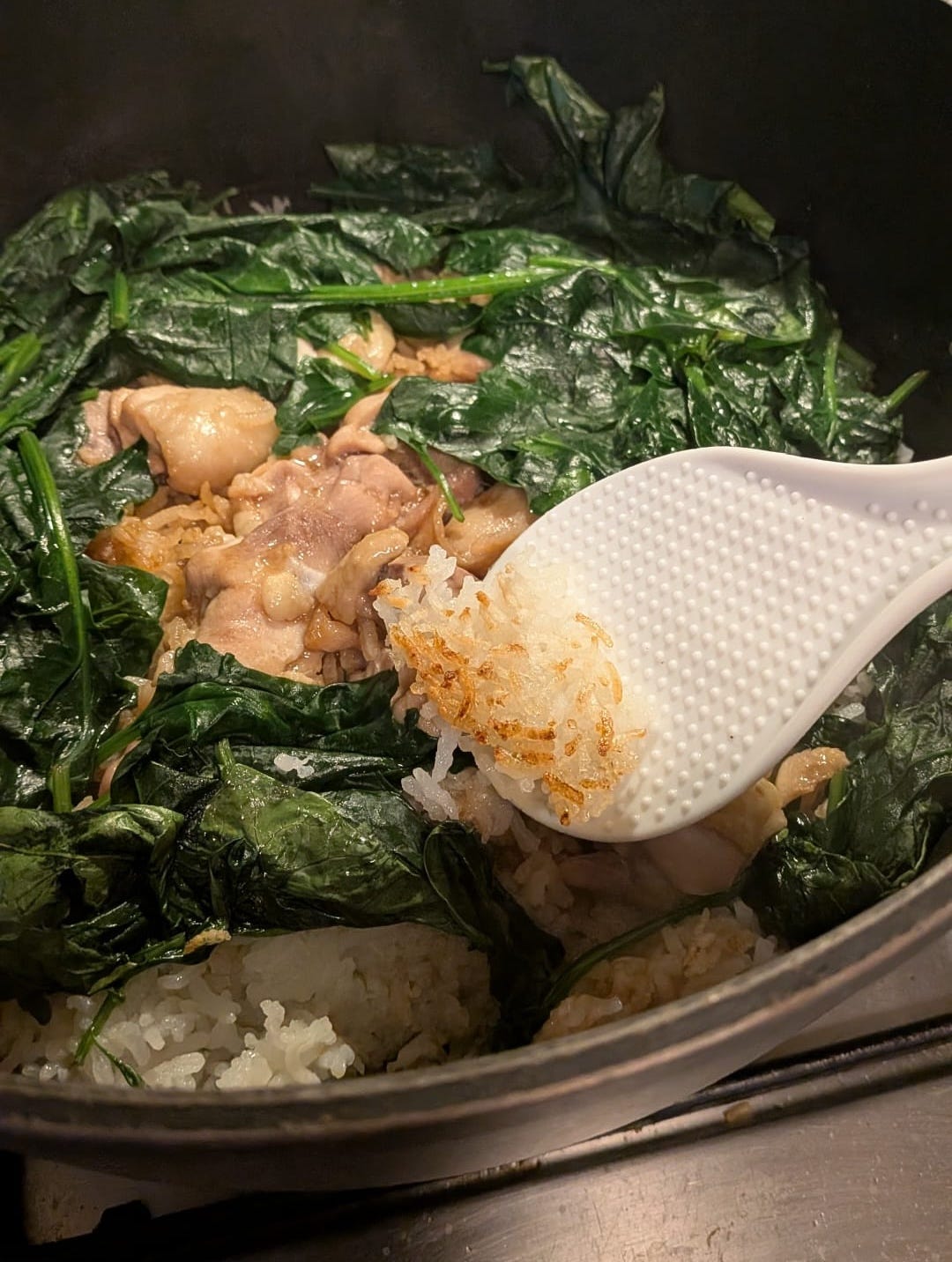
Claypot rice is the perfect one-pot dish — jasmine rice is steamed in a claypot with marinated or cured meat, which could be anything from minced beef patties and lap cheong (Chinese sausages), to chicken thigh or spare ribs marinated in fermented black beans. The magic of this method of cooking is that, as the meat steams, it releases juices that are absorbed into the rice, as well as fat that crisps up the grains at the bottom of the pot. This produces faan jiu 饭焦, the smoky, crackling crust that is the trademark of this dish. The sizzling claypot is brought to the table and diners are given thick soy sauce to drizzle over as they wish, before everything is tossed to coat each grain with savoury sweetness.
The trickiest part of making claypot rice is gauging the perfect amount of water to rice in the pot — the rice must absorb the exact amount of water in the time that the bottom dries enough to crisp. The line between underdone and mush is a narrow window to navigate, especially when you consider how much variation there is: wideness, thickness, and heat retention of the claypot; strength of the fire; how much juices the toppings release et cetera. Unless you make claypot rice day in and day out and have fine-tuned it to a science, it’s highly possible that you’ll get mushy, stodgy rice rather than distinct, toothsome grains.
After several failed attempts, I decided to approach my claypot rice much like preparing a biryani. With biryani, rice is soaked, then parboiled before layering in a cooking vessel with meat. With this method, the rice is already mostly hydrated and the moisture from the chicken produces steam that finishes the rice gently. In other words, it takes away most of the guesswork. The other benefit to parboiling the rice is that it removes some of the surface starch, so that the rice is less sticky, making a crisp crust easier when it’s steamed with the meat.


The pot that I use is a wider one because it has a higher surface area to volume ratio, allowing for more rice crust per serving. Contrary to popular opinion, a claypot is not a prerequisite for the crust to form — if one manages the fire well, perfectly cooked rice with a crispy crust is not out of reach with a regular pot or even a rice cooker. That said, using a claypot stacks the deck in your favour. Claypots are made of thick clay that holds heat extremely well and distributes the heat evenly. To replicate this, I place a large cast-iron pan at the bottom of my pot, which retains and distributes heat the way clay does.


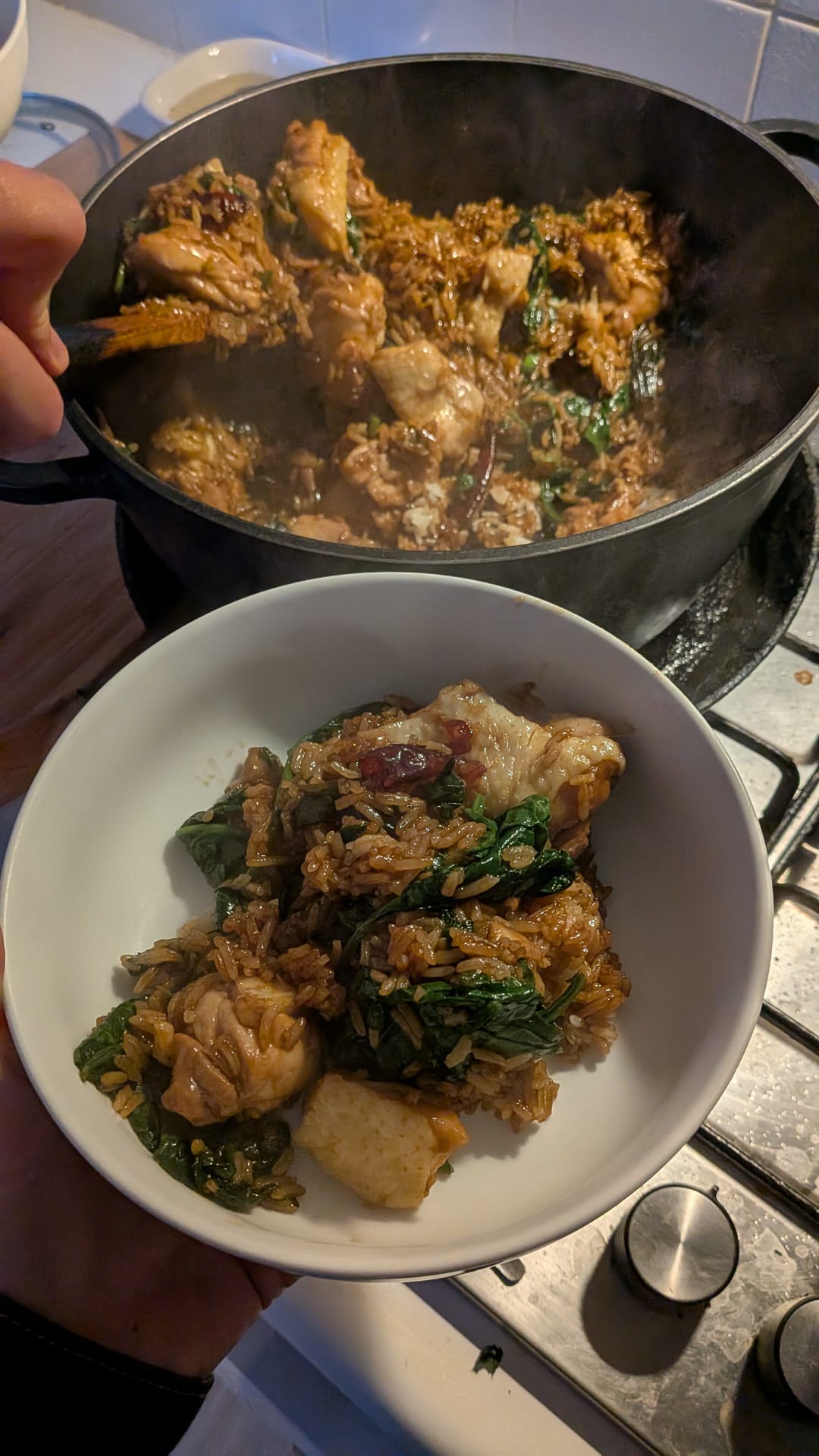
The final sauce for drizzling over the claypot rice is usually thick and syrupy so that, when it is added to the claypot rice, it coats each grain of rice like a glaze rather than turning the grains mushy. This is also why the doneness of the rice is so important — each grain should be more or less distinct and separate, neither pillowy soft nor al dente. To thicken the sauce, I start by making a caramel with sugar, then deglaze it with dark soy sauce and water. Here’s an opportunity for flavour: I add spring onion and dried chillies and allow it to infuse while reducing to a syrup. You can customise the additions to your own preference, such as by adding ginger slices or garlic.
The whole process from start to finish takes about an hour or so, making it a perfect dish for weeknights. I hope you’ll give this a go.
Claypot rice
Serves 3-4